
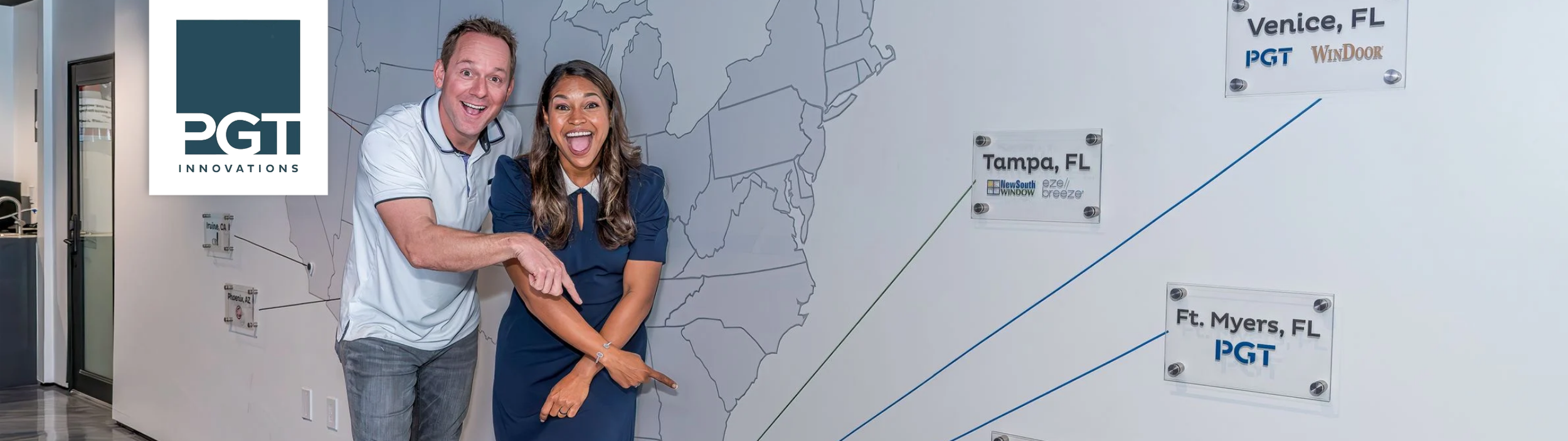
PGT Innovations Case Study: 147% Brand Engagement Through Influencer Strategy
Discover how PGT Innovations, a leader in impact-resistant windows and door companies, expanded its brand visibility from the B2B channel into the B2C consumer decision by pairing HGTV product sponsorships with tiered influencer partnerships. The strategy overcame internal skepticism about influencer marketing's viability at PGT's budget scale and delivered a 147% lift in brand engagement, 121% social growth, and category-defining consumer presence that reinforced dealer channel conversations.
147%
BRAND ENGAGEMENT LIFT
121%
SOCIAL MEDIA GROWTH
18%
PRODUCT INTEREST LIFT

Bridging B2B Trust with B2C Visibility Through Influencer Strategy
How PGT Innovations Overcame Executive Skepticism and Built Category-Defining Consumer Presence Within Budget
Building products companies typically win through dealer, contractor, and architect relationships — the B2B channel where technical credibility is earned face-to-face. But by the early 2020s, the homeowner had become a major decision-maker in construction and renovation projects, and PGT Innovations needed to reach them without losing the technical authority that had built the brand.
Traditional B2B marketing didn't reach the homeowner. Traditional consumer marketing didn't carry technical credibility. The gap between the two was where PGT's growth constraint lived and where influencer marketing, done strategically, could unlock it.
The Challenge:
PGT had strong dealer, contractor, and architect relationships, but limited direct connection with the homeowner who increasingly drove renovation and construction purchasing decisions
The building materials category is technical and specification-driven. Most consumer marketing approaches fail to communicate the technical differentiation that matters to specifiers, dealers, and informed buyers
The C-suite carried the widespread industry belief that influencer marketing was only viable for consumer brands with substantial marketing budgets, a barrier to funding any strategy that depended on it
Any strategy had to bridge B2B trust and B2C visibility without diluting either. The C-suite funded the strategy once the math made sense.
The approach had to fit within PGT's existing marketing budget, not require a category-brand-scale spend
Growth Strategy:
The strategy reframed influencer marketing from a consumer-brand tactic into a B2B-to-B2C bridge. The reframe changed both what we funded and how we structured the partnerships:
Built the executive case for influencer marketing as a cost-efficient channel viable at PGT's budget scale and overcoming C-suite skepticism by demonstrating tiered budget models (national HGTV stars, regional influencers, niche micro-influencers) that scaled with the specific audience being reached
Partnered with HGTV stars — Brian and Mika Kleinschmidt (100 Day Dream Home), Sarah Baeumler (Renovation Island), and Linda Weinstein (One Room Challenge) — matching each partnership to a specific audience segment and product line, from mainstream renovation to design-forward niche
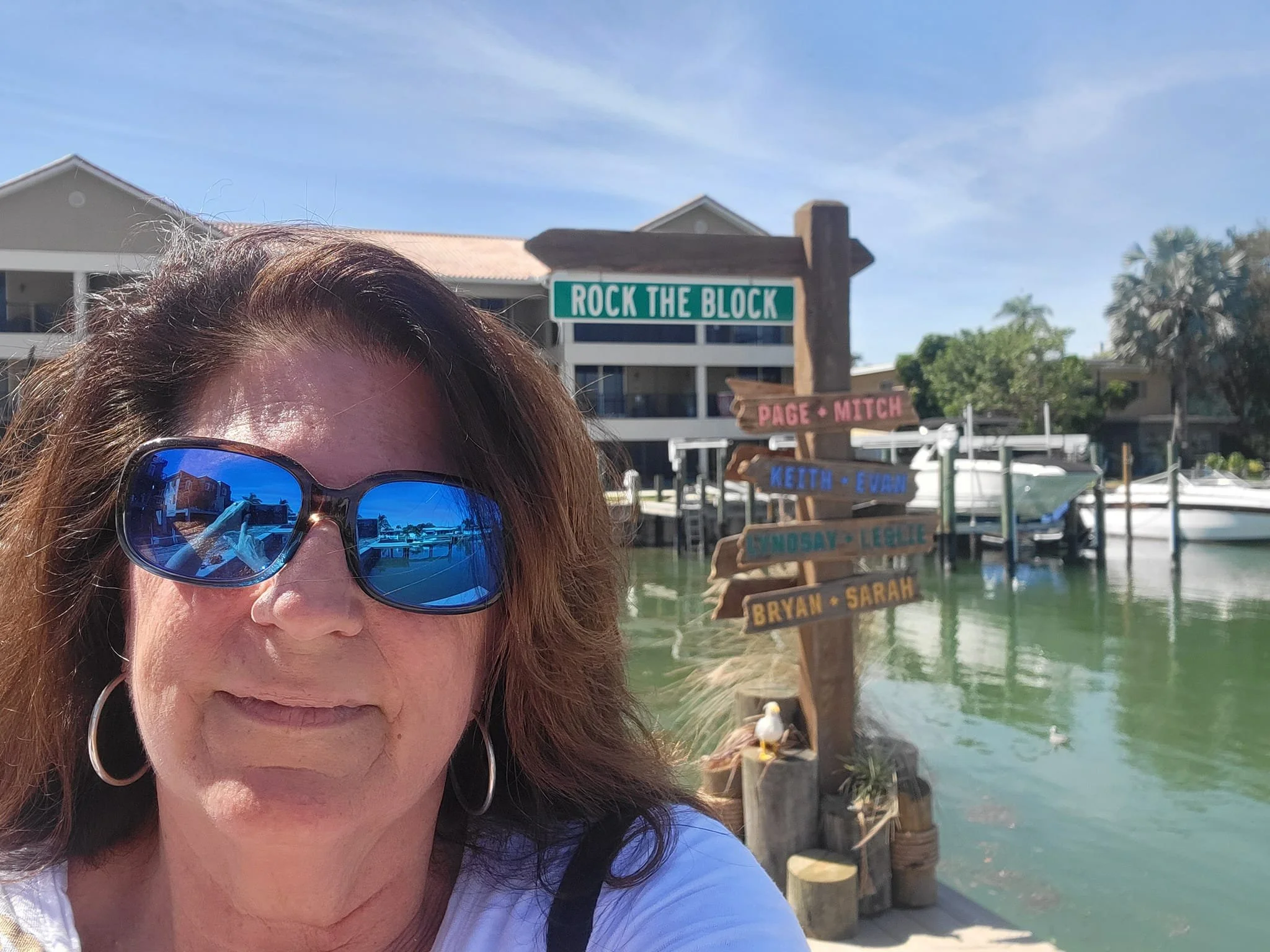
Featured PGT products in every home on HGTV's Rock the Block Season 5, with 3 episodes highlighting products that contributed to winning rooms, aligning the brand with high-profile renovation success stories that dealers and contractors also watched
Co-created a 30-minute episode of Designing Spaces on Lifetime TV, extending reach across millions of households through guaranteed impressions in a lifestyle-adjacent format
Built the Partner Spotlight program — a content system that translated dealer and installer stories into consumer-facing narratives, giving the B2B relationships a way to reinforce the B2C strategy without diluting either
Equipped every influencer with hands-on product demonstrations and technical support so their content could communicate PGT's unique technical advantages authentically while bridging the credibility gap between celebrity endorsement and building materials
The strategy proved that influencer marketing wasn't a consumer-brand-only channel. It was a scalable growth mechanism when the partnerships were structured around specific audiences and technical credibility was built into the content itself.
The Story Behind the Strategy
The C-suite thought influencer marketing was out of reach. Every leadership conversation started with the same objection: influencer marketing was a consumer-brand play, requiring budgets PGT didn't have and audiences that weren't PGT's buyer. The strategy had to answer that objection before it could get funded.
The reframe was tiered access. National HGTV stars for mainstream reach. Regional influencers for market-specific credibility. Niche micro-influencers for design-forward audiences. Each tier had a different cost structure and a different audience precision. None of them required a consumer-brand budget. The C-suite funded the strategy when the math made clear that influencer marketing wasn't a single-scale decision. It was a portfolio.
The lesson: the strategies executives dismiss as "not for us" often aren't wrong strategies. They're strategies presented at the wrong scale.
The Impact Shaped Future Revenue:
The strategy didn't just boost campaign metrics. It rebuilt how PGT connected with the audiences that shaped its future revenue:
147% lift in brand engagement, fueled by content that combined technical education with lifestyle inspiration
121% social media growth, reaching new audiences and building an owned platform for ongoing engagement
18% lift in product interest, translating awareness into consideration and inquiry
Category-defining consumer visibility built through partnerships that competitors would need years to replicate
B2B-to-B2C bridge established as a repeatable framework. The Partner Spotlight program continued as an ongoing content engine after the initial campaign closed
Executive skepticism resolved permanently and influencer marketing became a funded, ongoing channel in PGT's marketing mix, no longer a defensive conversation
The strategy proved that building products brands don't have to choose between B2B credibility and B2C visibility. The right influencer strategy delivers both and does it at a budget scale that any building materials company can defend. That's the kind of growth mechanism worth building into the brand permanently, not just running as a campaign.
What Building Material Brands Can Learn From This
Influencer marketing is a scale question, not a category question. The channel isn't reserved for consumer brands. It works for building materials companies when the partnerships are structured around specific audiences, tiered by budget, and grounded in technical credibility.
The B2B-to-B2C bridge is a growth engine most building material manufacturers leave un-built. Dealer channels win projects; consumer awareness drives which brand gets specified in the first place. Brands that own both win more.
Executive skepticism about a growth strategy is often a scale objection, not a strategy objection. Break the strategy into tiers, and the same executives fund what they previously dismissed.
The technical differentiation matters more, not less, when the audience is consumers. Homeowners making renovation decisions want to understand why the product they're specifying is different. Influencer content that shows the technical advantage, not just the aesthetic outcome, converts.
A content system beats a content campaign. The Partner Spotlight program continued as an ongoing engine after the initial campaign. That's the difference between a one-time visibility bump and a permanent growth mechanism.