

Your bi-monthly block of insights, strategies, and innovative thinking for driving revenue growth for building products companies.
Building Blocks

The Platform War for the Pro Has Begun
Building products distribution is changing fast. QXO, Home Depot, and Lowe’s are building platforms designed to own more of the Pro’s workflow, data, and decision-making journey. For building products manufacturers, this shift has major implications for channel strategy, customer intelligence, pricing power, and revenue growth. Who will end up owning the customer relationship? What do manufacturers need to do to protect themselves in this shifting landscape.
MasterBrand Bet Billions on Builder-Direct. Cabinetworks Already Ran This Play and Walked Away.
MasterBrand just spent billions to get closer to builders. Four years ago, another cabinet giant looked at the same opportunity and gave a chunk of it back to dealers on purpose. In 2022, Cabinetworks moved the majority of its builder-direct business over to its dealer network, even with demand at an all-time high. Not because the market forced it. Because the economics didn't work. MasterBrand is betting it can go both directions at once. Here's where that bet gets dangerous.

Your Dealer Wants to Give You More Business. What’s Stopping You?
Several large dealers kept asking a building products manufacturer the same question: "When will you be ready to handle more volume?" That's not a sales challenge. The dealer already trusts you. What it's testing is whether you're ready to take the business it's willing to give you, and the wrong diagnosis leads to the wrong investment. The opportunity has an expiration date. Here's how to find the real constraint before it closes.
You’re Investing Everywhere. Growth Is Showing Up Nowhere.
You added headcount in sales, increased marketing spend, and added plant capacity. Growth still isn't showing up.
That usually doesn't mean those moves were wrong. It means nobody connected them. Sales was convinced the problem was price. It wasn't. Contractors had already started specifying a competitor's product two steps earlier in the buying process, before a dealer ever quoted a price.
Sales, marketing, and ops are each seeing an accurate picture. None of them is seeing the whole one.
Dealers Don't Defect. They Rebalance
Your largest dealer will never say goodbye. They'll stay on your line card and then hand the next $5 million of growth to someone else. That's not defection. It's rebalancing, and most manufacturers never see it happening. Dealers spread volume across suppliers based on fit, lead times, and service. They don't have to drop your line to hurt you. They only have to recommend it less often.

MITER’s Recent Brand Moves Reveal a Bigger Play
MITER’s recent brand moves point to something bigger than rebranding. The company appears to be building a cleaner fenestration portfolio strategy: pruning overlap, protecting dealer trust, preserving premium specialization, and using scale without erasing local market strength.
Most Market Share Shifts Are Visible 6 to 12 Months Before Revenue Changes
Market share shifts rarely happen overnight. This article explains why CEOs should watch early signals like lead times, dealer behavior, and portfolio changes before revenue confirms what the market already knows.
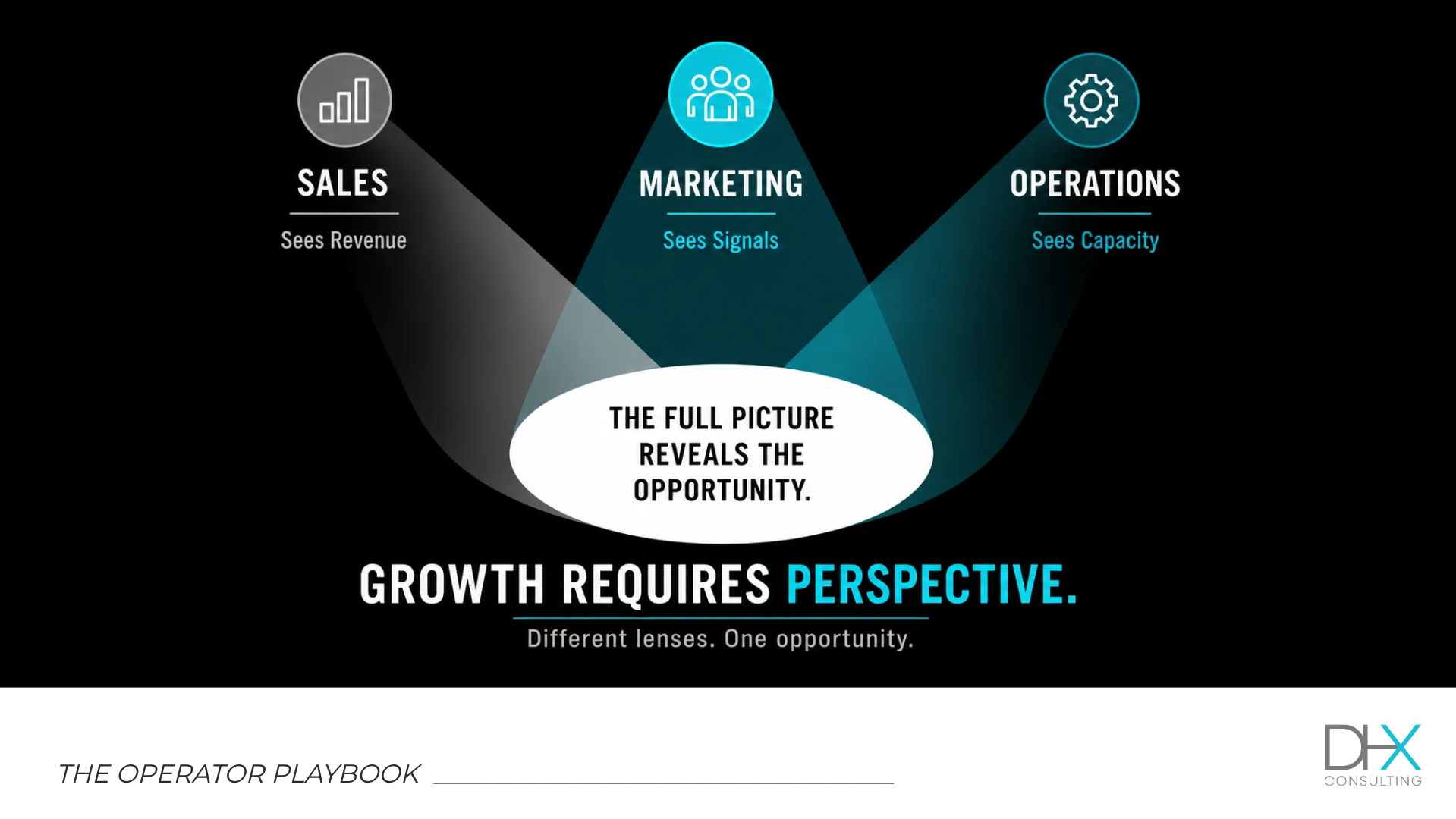
The Biggest Growth Constraint Isn't Capacity. It's Perspective.
Most manufacturing teams don’t lack data. They lack perspective. Sales, marketing, operations, and finance each see part of the truth, but growth opportunities often live between functions. When leaders connect those signals, they find the better bets competitors miss.

You Don't Have a GTM Strategy. You Have a Marketing Plan.
Walk into 10 manufacturers and ask for their GTM strategy. Eight will hand you a marketing plan. One will hand you a sales forecast. GTM strategy is neither of those things. It's a cross-functional operating model for revenue creation, and in building products, where a single project can run through dealers, distributors, contractors, builders, architects, and specifiers, that model isn't optional. This article breaks down what breaks when GTM gets collapsed into a single function and what the architecture actually looks like across all eight domains.

Physical Showrooms Are Dying. Except in Building Products, Where They Close the Deal.
Nobody buys a window that will stay in their home for 30 years from a spec sheet. Homeowners need to feel it, architects need to defend it, and contractors need to trust it before they absorb the risk. This article breaks down three ways building products manufacturers can create that conversion moment without building a real estate portfolio to do it.
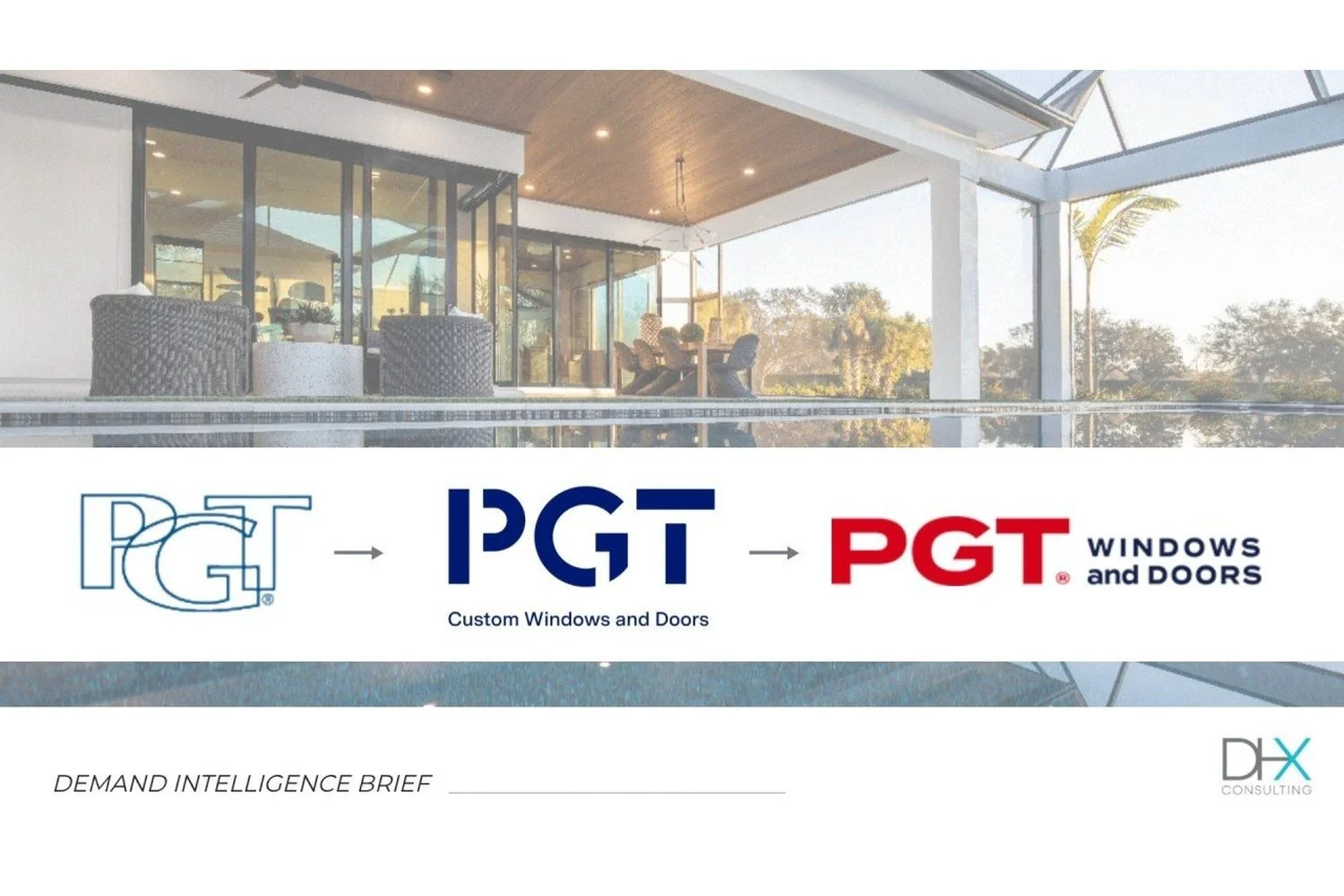
What Dealers Read Between the Lines of PGT’s Refresh
When a PE-backed acquirer refreshes a regional brand, the operational logic is usually straightforward. The strategic tension underneath it is harder to see. Miter's refresh of PGT raises a question the channel is already asking: is this portfolio alignment that preserves premium positioning, or the beginning of a migration toward volume efficiency? This article breaks down what the brand decisions signal and why the next 12 to 18 months will tell the real story.

22,000 Job Site Visits a Day. None of Them Are Yours.
QXO's acquisition of TopBuild didn't just add scale. It added real-time job site intelligence on what's being installed, what contractors are skipping, and which brands are losing ground, and they're already using it to make procurement decisions. This article breaks down the three places that data gap hits manufacturers hardest, and what building demand outside the distributor relationship actually looks like.
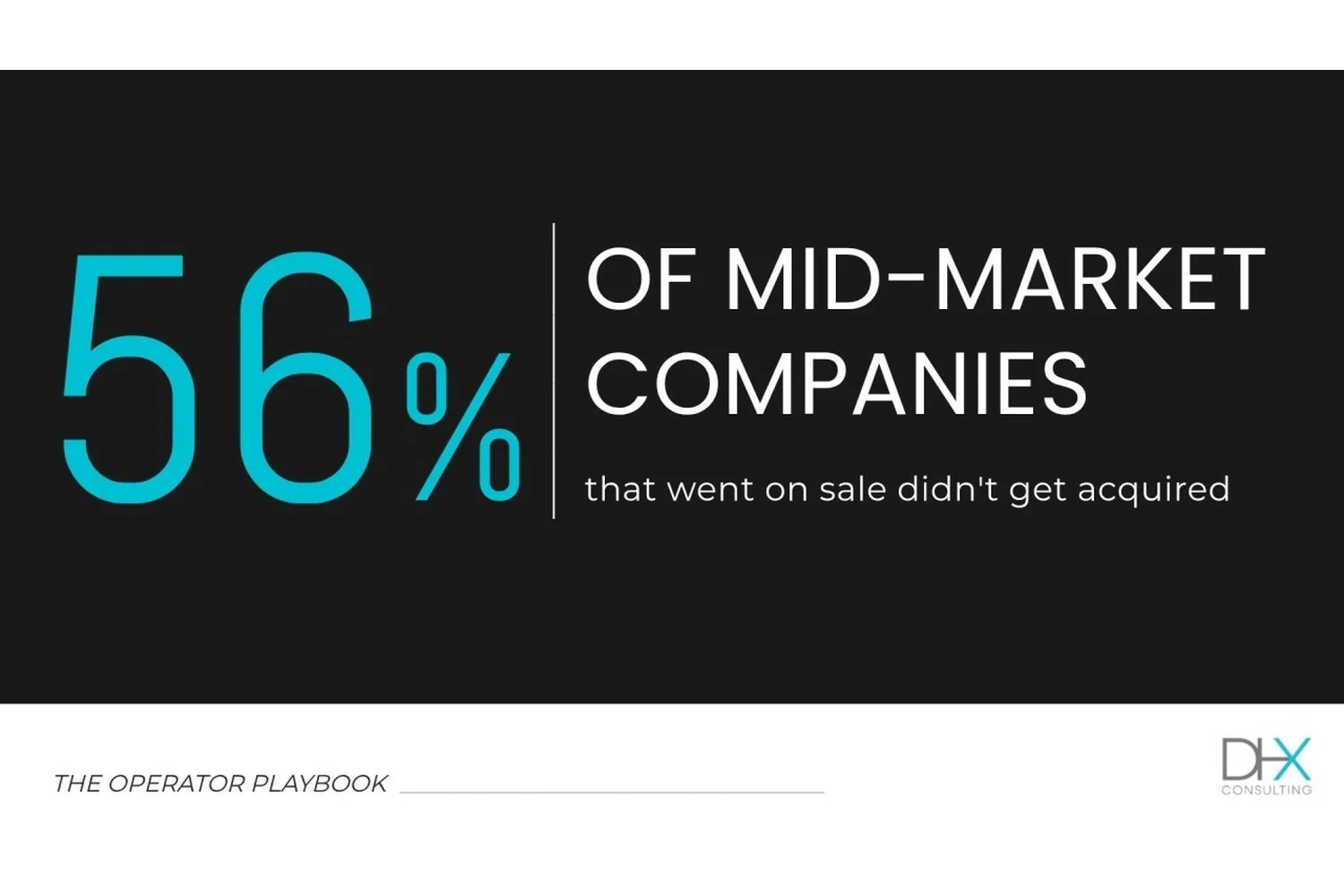
The Marketing Audit That Changes Your Exit Multiple
Most PE-backed building products companies don't lose on price at exit. They lose on predictability. This article breaks down the four GTM gaps that suppress your multiple before diligence even starts, and the 90-day sprint that gives a buyer a credible revenue story to underwrite.
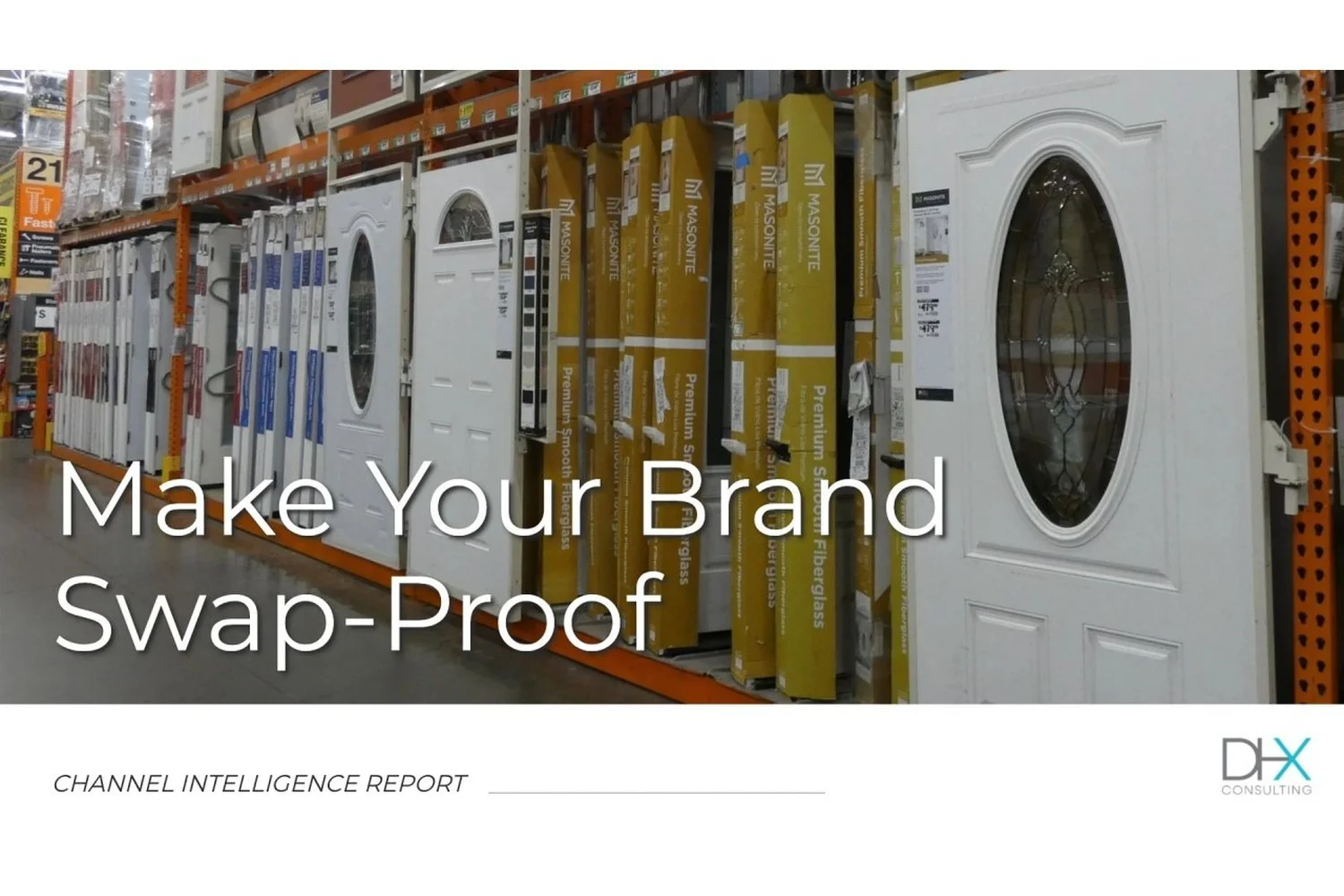
Your Distribution Partner Is Now Your Competitor
Home Depot, Lowe's, and Amazon Business are all moving into private label and job site supply, using your own transaction data to source around your brand. This article breaks down how that process actually works, which categories are most exposed right now, and the three levels of pull demand that make a brand swap-proof.

Before You Buy More Leads, Fix This First
A construction SaaS company with a 90% demo-to-close rate was still struggling to grow. The revenue audit found 38% of their annual revenue was completely invisible in their CRM, and every dollar they were about to spend on marketing would have made the problem worse. This article walks through the five-move rebuild that turned an opaque pipeline into a diagnosable growth system.

eCommerce Isn't Taking Share. It's Taking Control.
New research from Zonda shows 77% of pro contractors are in mobile apps monthly, not to browse, but to reorder, check inventory, and manage jobsites. Home Depot and QXO didn't spend a combined $36 billion on distribution acquisitions to capture online transactions. They spent it to own the workflow, and this article breaks down what that means for every manufacturer who hasn't built a strategy around it yet.

Going Quiet in a Downturn Doesn't Signal Discipline. It Signals Exit.
When building products companies go quiet during a down market, specifiers default to visible alternatives, distributors shift attention to active brands, and contractors fill the silence with assumptions that rarely favor you. Silence doesn't create neutrality. This article breaks down the three structural dynamics that make quiet periods expensive, and what strong operators do instead to protect pricing power, spec inclusion, and enterprise value.

Your Margins Are Compressing. Do You Know Which SKUs Are Actually Causing It?
The cost-price vise doesn't hit evenly across a portfolio. It shows up in contribution margin declining faster than revenue, mix shifting toward lower-tier SKUs, and incentive structures that were designed for growth quietly accelerating erosion. This article breaks down the three structural weaknesses the vise exposes and the one metric building products CEOs should be tracking right now.

You're Losing Specs Before the Sales Meeting Starts
In many building products categories, the shortlist is formed before your sales team knows the opportunity exists. Architects and estimators are now using AI tools to compare products, researching independently, and arriving at decisions that are 70 to 80 percent formed before your rep ever engages. This article breaks down the three structural shifts redefining how specs are formed, and what it takes to win influence before the meeting starts.

Your Backlog Is Lying to You
Backlog feels like stability, but it reflects yesterday's momentum, not today's demand. Order front-loading, mix deterioration, and aging projects can all make backlog look healthy while the real picture quietly deteriorates underneath it. This article breaks down the three dynamics that distort backlog in volatile markets and the one metric that tells you which direction you're actually heading.