

Your weekly block of insights, strategies, and innovative thinking for driving growth
Building Blocks

Winning Specs in an AI-Driven Discovery Journey
Architects, designers, and builders are no longer waiting for a rep meeting or a manufacturer website to form product preferences. AI tools, BIM libraries, short-form video, and peer conversations are shaping shortlists before most brands know they're being evaluated. This article breaks down how modern spec discovery actually works and the five things that determine whether your brand makes the list before the formal conversation even begins.

Google Is Now A Buyer’s Assistant
Google no longer just helps buyers find options. It scans, compares, and summarizes recommendations, often without a single click to your website. For building products manufacturers and dealers with complex pricing and layered channels, that changes what it means to be discoverable. This article breaks down what Google's AI is actually evaluating and how to build a pricing ecosystem that keeps you in the conversation.
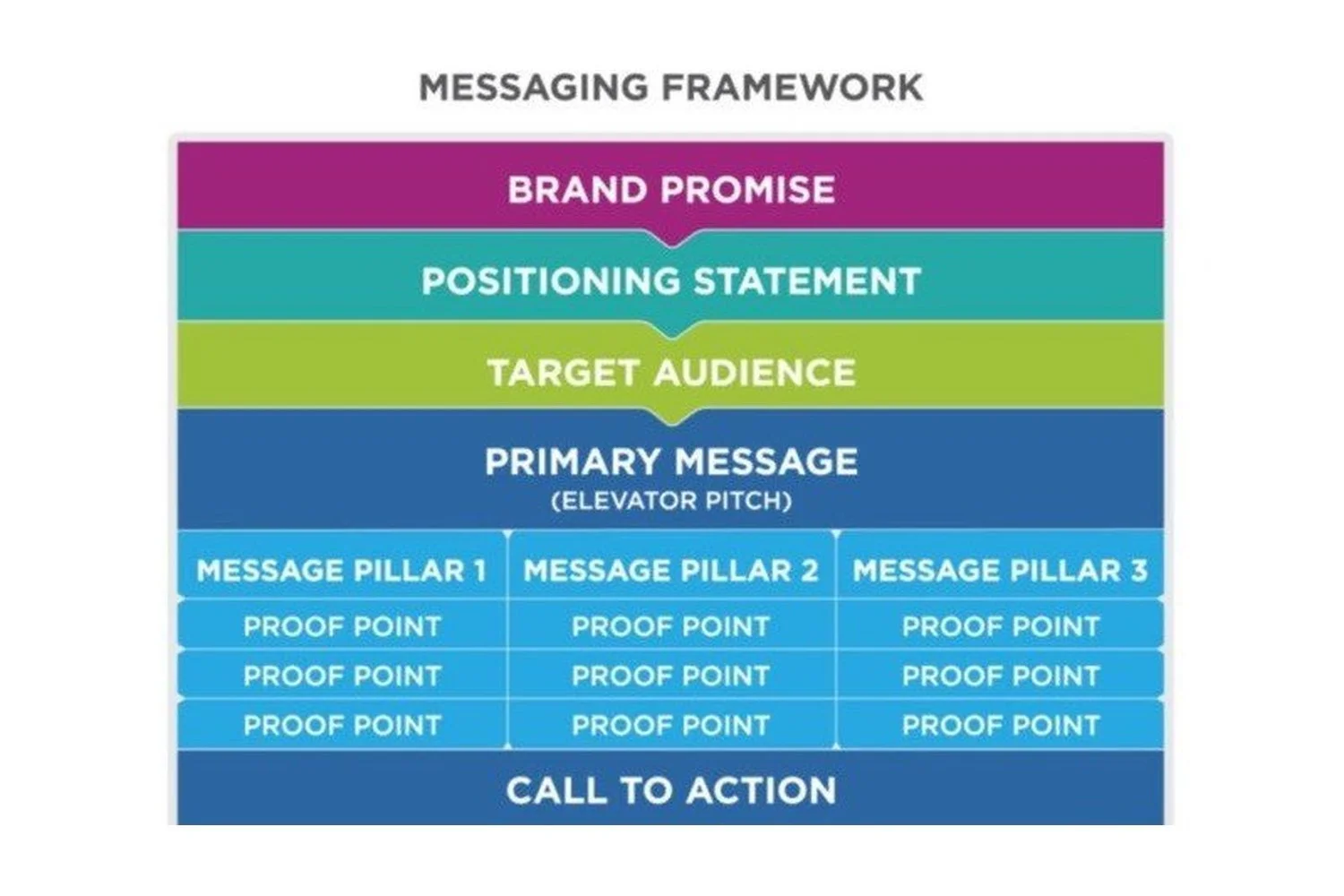
Why Brand Messaging Is a Leadership Decision and Not a Marketing Exercise
Scattered messaging is rarely a marketing problem. It's a sign that leadership never agreed on what the company is willing to be known for, so everything made the cut. This article breaks down the three-level framework that turns vague positioning into a consistent story, and why choosing a primary message is a growth bet, not a creative call.

The 6 Content Types Dominating Pro Engagement Right Now
Pros are consuming content every day. Jobsite POVs, side-by-side comparisons, mistakes to avoid, and 10-second product demos. Most building products manufacturers are still posting the digital equivalent of a 40-page catalog and wondering why engagement is flat. This article breaks down the six formats driving real pro attention and how to start using them this week without a production budget.

Sustainability Isn’t a Trend Anymore. It’s a Threshold
Sustainability has been "the next big thing" in building products for 20 years, and for 20 years it fizzled. What's different in 2026 isn't ideology. It's code enforcement, insurance requirements, energy volatility, and a price gap that has finally closed. This article breaks down the seven forces turning sustainability from a virtue play into a business threshold, and what that means for manufacturers who have a performance story to tell.
Top 10 Marketing Trends Reshaping Building Products in 2026
After two years of rising CAC, distributor consolidation, and customer journeys that feel like obstacle courses, multiple forces are hitting the building products industry at once. This article breaks down the 10 trends that will reshape marketing for building products, consumer durables, and construction in 2026, filtered specifically for manufacturers who sell through dealers, distributors, and trades.
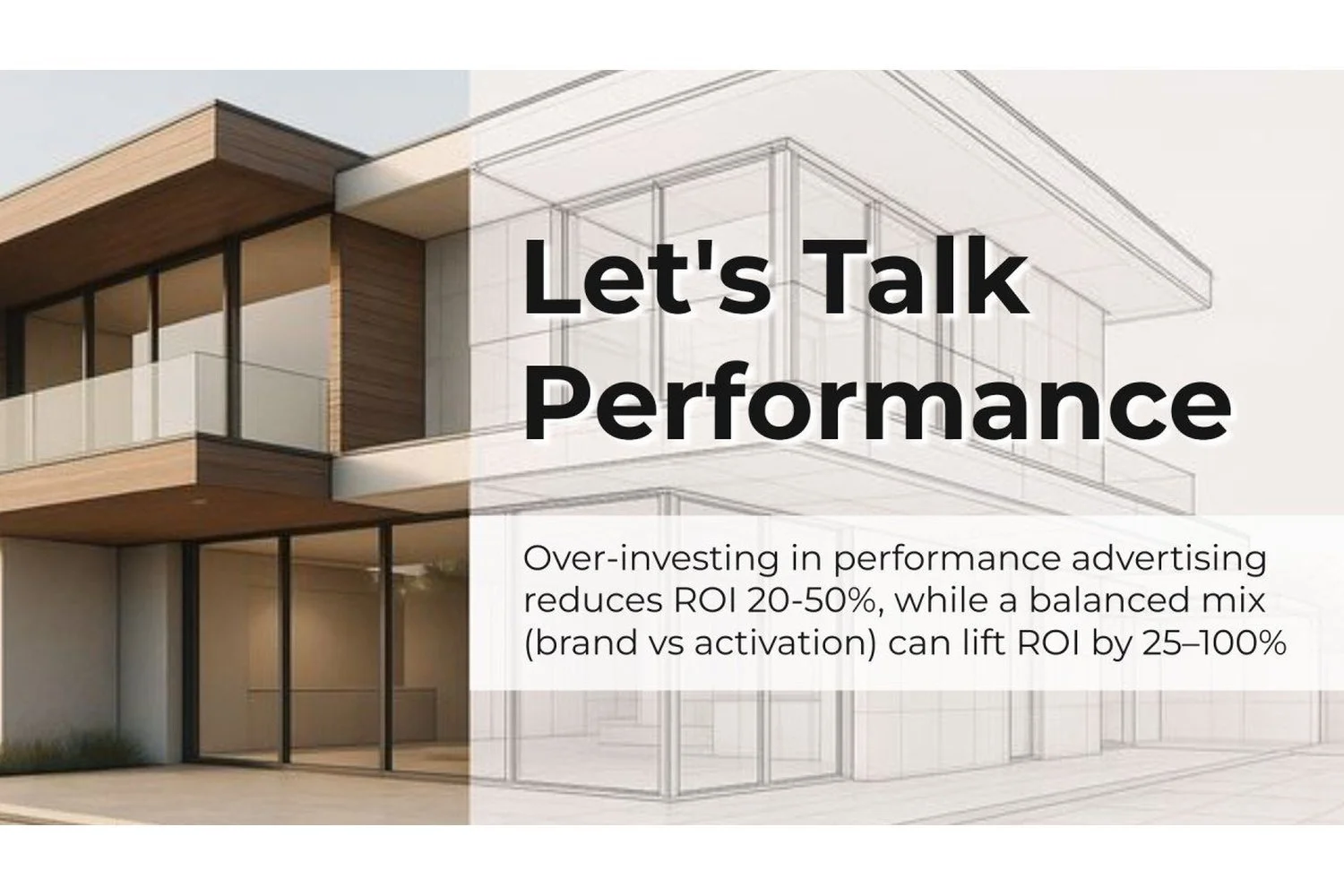
How to Use Performance Marketing Without Burning Out ROI
Performance marketing is powerful, measurable, and overused. Research from Binet and Field shows brands maximizing long-term growth invest roughly 60% in brand and 40% in activation, but the industry has been running that ratio in reverse for years. This article breaks down what performance marketing actually does well, where it creates risk, and how to recalibrate before rising CAC makes the decision for you.

How CGI and AI Are Reshaping Creative Performance
Research shows creative quality alone accounts for 37% of total sales lift, more than media mix, spend, or targeting combined. CGI gives building products brands the precision to sell before a product is even installed. AI gives them the speed to test and scale. This article breaks down how the two work together and what that means for manufacturers competing on visual presence in decking, facades, and home finishes.
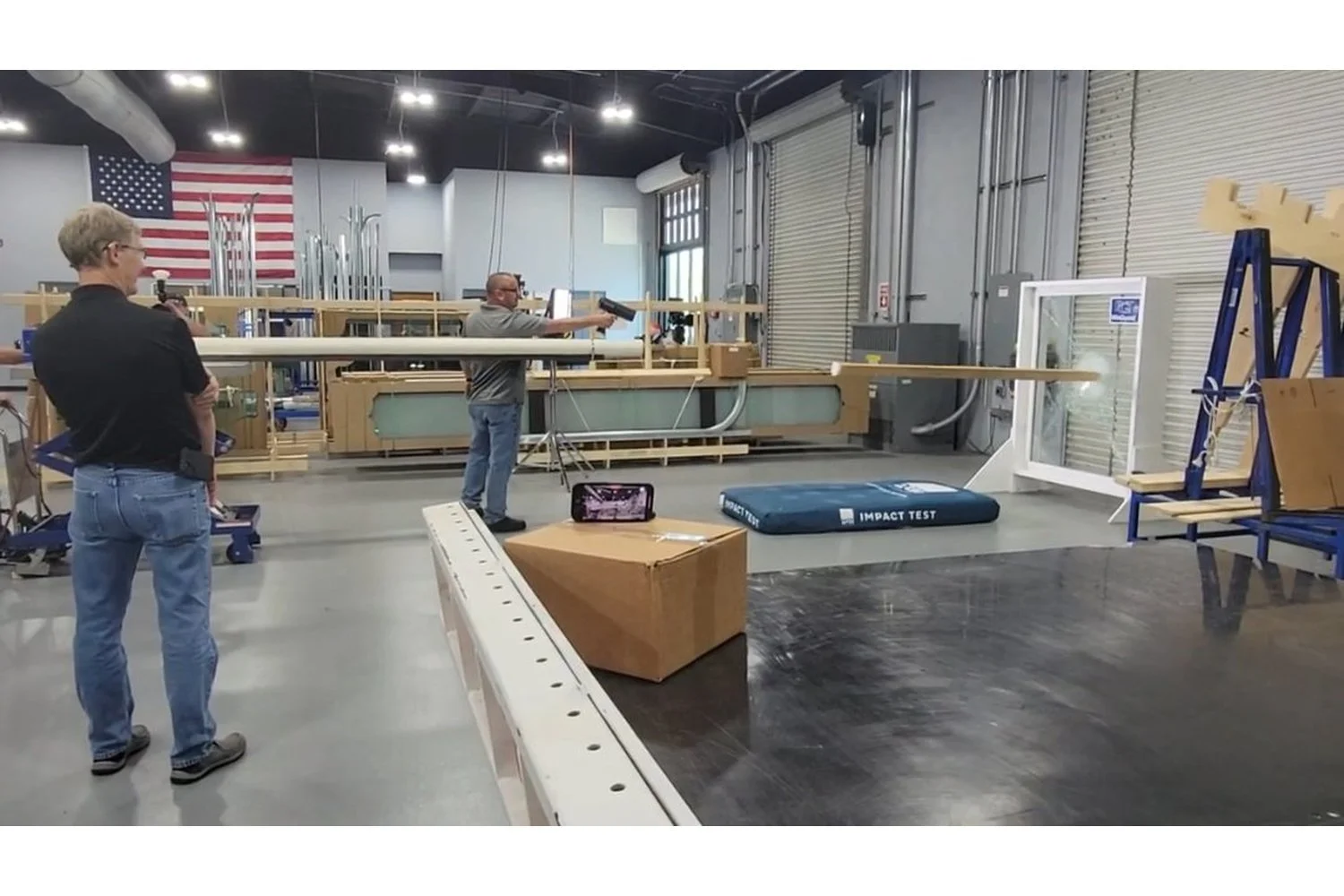
From Trade Pros to TikTok
Influence in building products has always existed. It just used to live with the architect who specified your product, the builder who swore by your flashing tape, the dealer who pushed your line at every counter sale. Now those same people have cameras and followings. This article breaks down how influencer marketing actually works in AEC and building products, with real results from PGT Innovations' program that drove 147% brand engagement growth.

Beyond the Feed: Rethinking Social Media’s Role in AEC and BPM Marketing.
Social media in building products has matured from a marketing experiment into something more nuanced: a bridge between brand storytelling and measurable demand. It no longer drives leads alone, but it drives belief, preference, and engagement, the precursors to every sale. This article breaks down where social still creates real value, where it falls short, and how manufacturers are using it as connective tissue across a broader marketing system.

Creative as a Performance System: How Kohler Turned Design Into Demand
Creative quality accounts for 37% of total sales lift, more than budget, targeting, or media mix combined. Kohler's "Colors of Nature" campaign shows what it looks like when a building products brand treats storytelling as infrastructure rather than decoration. This article breaks down what made the campaign work across the full channel ecosystem and what manufacturers can take from it.

Brand Doesn’t Compete with Performance. It Makes It Possible.
Lowe's didn't build $27 billion in brand value by chasing clicks, and PGT didn't grow sales 40% in four months by running more promotions. Both brands invested in the 60/40 rule: brand-building as the foundation that makes every performance dollar work harder. This article breaks down the data behind that balance and what it means for building products manufacturers heading into a slower market cycle.
Grow the People, Grow the Business
Most mid-market building products companies don't have a large marketing department. They have a few capable people running campaigns, managing co-op programs, and supporting sales without a clear growth mandate or a seat at the executive table. This article breaks down the leadership approach that turns small, reactive marketing teams into accountable growth functions, built on clarity, capability, and cadence.

How to Build a Revenue-Proof Marketing Plan
The perfect marketing plan isn't the one with the glossiest campaigns or the longest tactical checklist. It's the one that holds up at the dealer counter and still drives revenue. This article breaks down the six non-negotiables that separate plans built for activity from plans built for accountability, and how to know if yours is already breaking at the point where substitution decisions actually get made.

The Pretty Marketing Trap
Manufacturers spend six figures on catalogs and photo shoots, only to watch dealers push a competitor's line because it's faster to install or offers a better margin. Pretty marketing creates awareness, but awareness without channel adoption is just wallpaper. This article breaks down the two ways brands lose at the dealer counter and what the strongest home finishes brands do differently to win both homeowner pull and pro push at the same time.

10 Ways to Secure CFO Buy-In
CFOs in building products aren't anti-brand. They're anti-mystery. If you frame brand investment as awareness spend with no clear return, it's the first budget cut. This article breaks down 10 ways to translate brand into the language CFOs actually use: margin protection, spec inclusion, price integrity, and distribution velocity.
The Building Blocks of Growth: 6 Steps to Go From Code-compliant to Category Defining
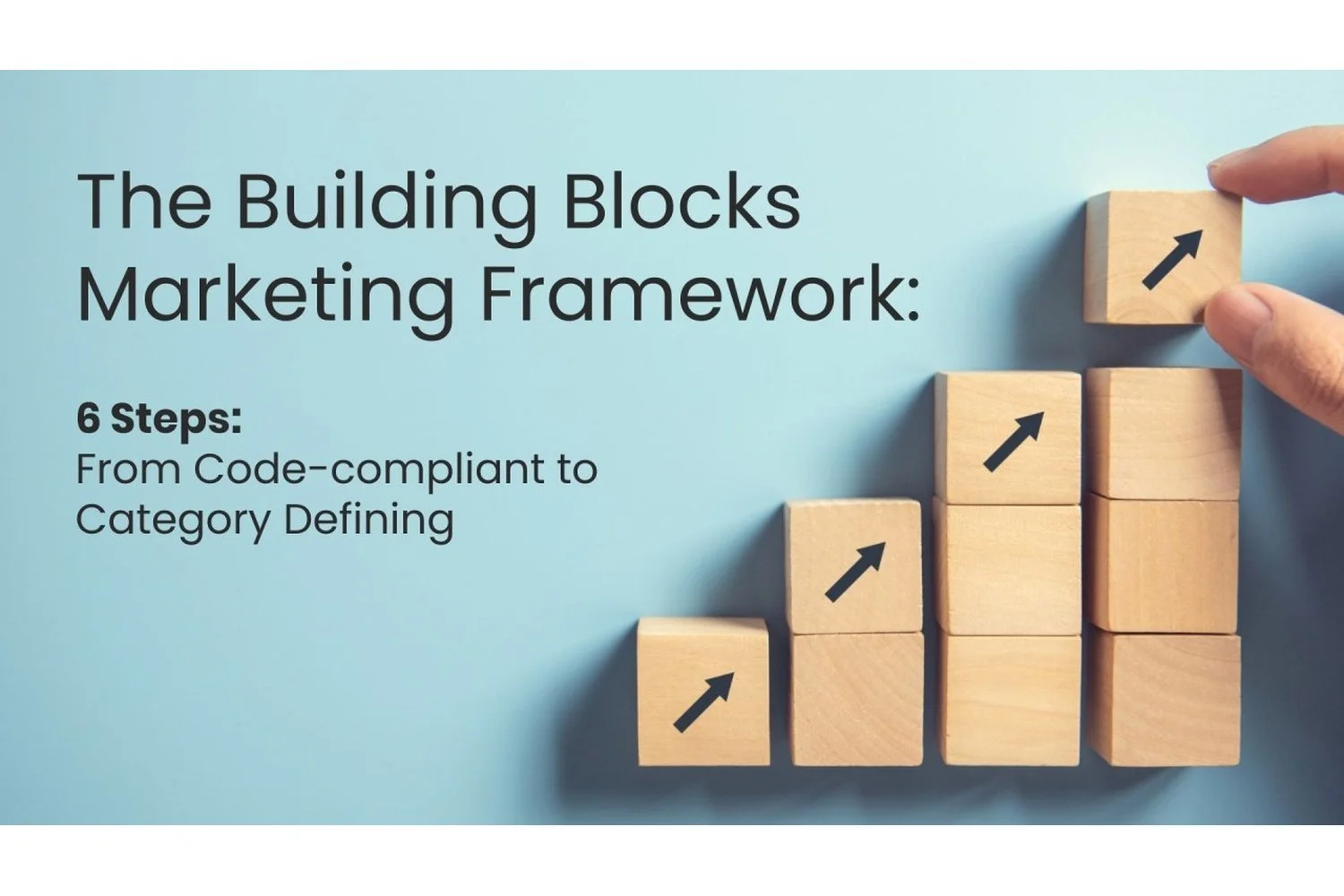
When building products revenue stalls, the product is rarely the problem. The system around it is: margins, channel structure, spec position, and the proof in front of every stakeholder from architect to installer to homeowner. This article introduces the Building Blocks Marketing Framework, six interlocking moves that turn a brand from one more option into the safest decision in the category.

TAM Growth and the Art of Reshaping Demand
Most building products brands focus on winning more of the market they can already see. TAM growth is a different play entirely: redefining use cases, influencing specs, and introducing new buyers into the decision so the market itself gets larger. This article closes out the Rethinking Market Share series with a look at how companies like CertainTeed have turned repositioning into durable category leadership.

What Got You Here Won’t Get You There. How to Expand Without Unraveling.
Market expansion has the highest revenue ceiling of the four growth paths, and the most ways to go wrong. Entering a new geography, segment, or channel only works when the operational, marketing, and sales engines are ready to support it. This article breaks down how to sequence expansion deliberately, validate demand before sales arrives, and avoid the mistakes that turn ambitious growth plans into margin drags.

How to Win More Often When You’re Already on the Bid List
If your spec-in rates are strong but your close rates are weak, the problem isn't reach. It's conversion. Market share shift is about winning more often in competitive situations you're already in, and most companies lose not because their product is worse, but because their differentiation isn't clear enough to be remembered at the moment of choice. This article breaks down the four marketing moves that turn positioning into a real competitive advantage in the field.