
The 6 Content Types Dominating Pro Engagement Right Now
Pros are consuming content every day. It’s just not the content building product manufacturers are creating.
Pros reward what feels real.
They’re watching installs. They’re comparing products in real time. They’re asking other pros for recommendations. They’re consuming 15-second videos that answer one simple question: “Will this make my job easier?”
Meanwhile, many manufacturers are still posting the digital equivalent of a 40-page catalog and wondering why reach, engagement, and influence are flat.
The shift is here. It’s happening fast. And it’s rewarding the brands willing to be more real, more useful, and more in sync with how contractors, builders, and installers actually research products today.
Here are the six content types dominating pro engagement and how you can start using them immediately.
1. Jobsite POV Videos
The raw, unpolished “you’re here with me” perspective. Nothing builds trust like seeing the product in context. Pros want to watch:
How materials behave in real conditions
What tools are required
How long things actually take
What gotchas show up mid-install
Whether the promised benefits hold up on the ground
It’s the most authentic proof you can give.
Grab an installer or rep, a phone, and 10 minutes. Record three clips:
“Before”
“The moment it clicks”
“After”
Post it the same day. Stop overthinking it.
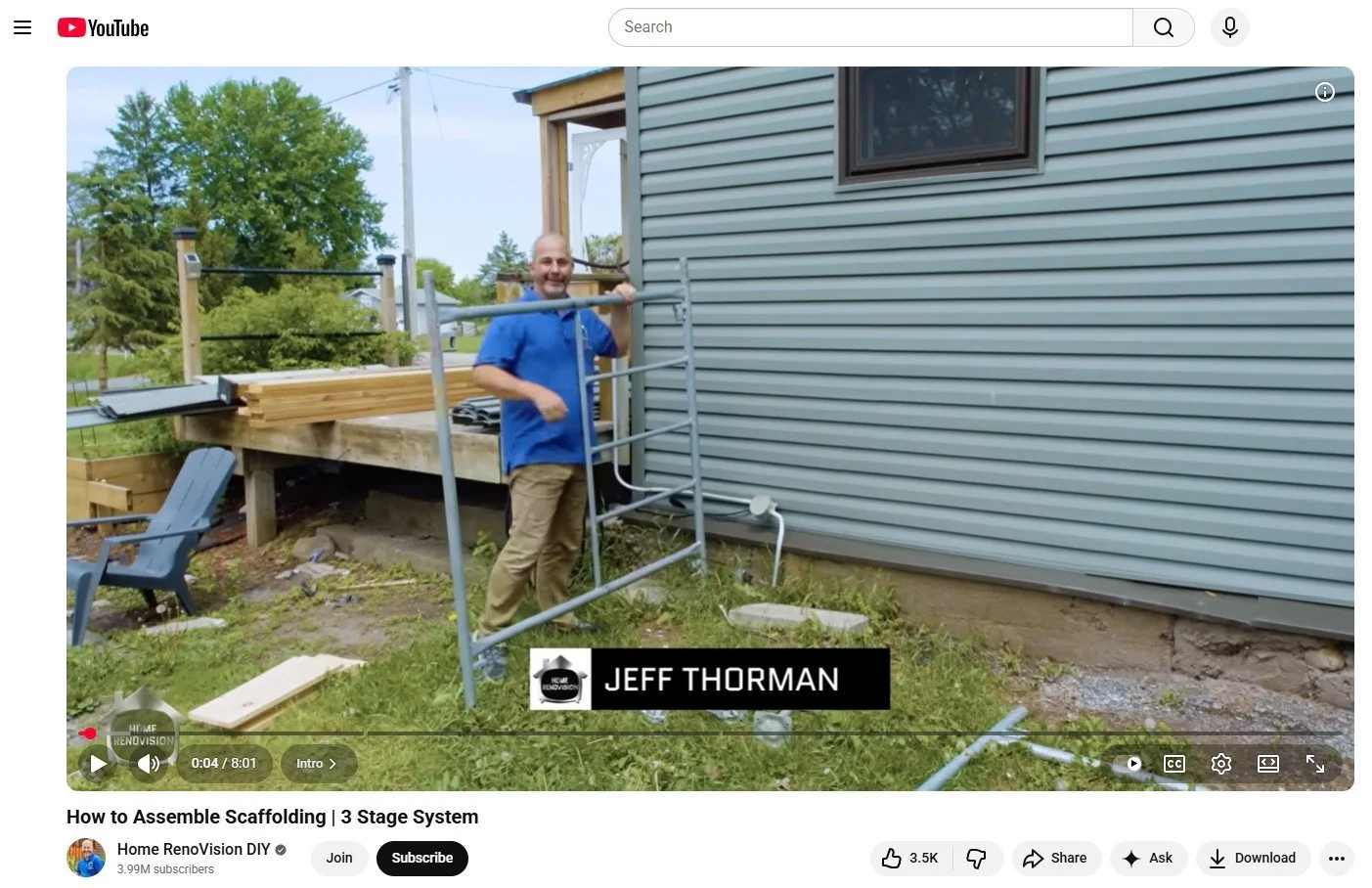
This jobsite POV-style Scaffold assembly tutorial walks you through product setup. It’s highly usable for pros. https://youtu.be/SNI_WoQhbog?si=exe4GSFFvQLL7Bkl
2. Side-by-Side Comparisons
This is a challenger brand’s best friend and a mid-market brand’s most underused weapon.
Pros crave clarity. A simple comparison does the heavy lifting:
your product vs. cheaper brands
old system vs. new
pro install vs. DIY
inside corner cut with X tool vs. Y tool
performance under different conditions
Side-by-side content removes ambiguity. It accelerates decisions.
Film two installs or two product tests at the same angle. Overlay simple labels. No narration needed.
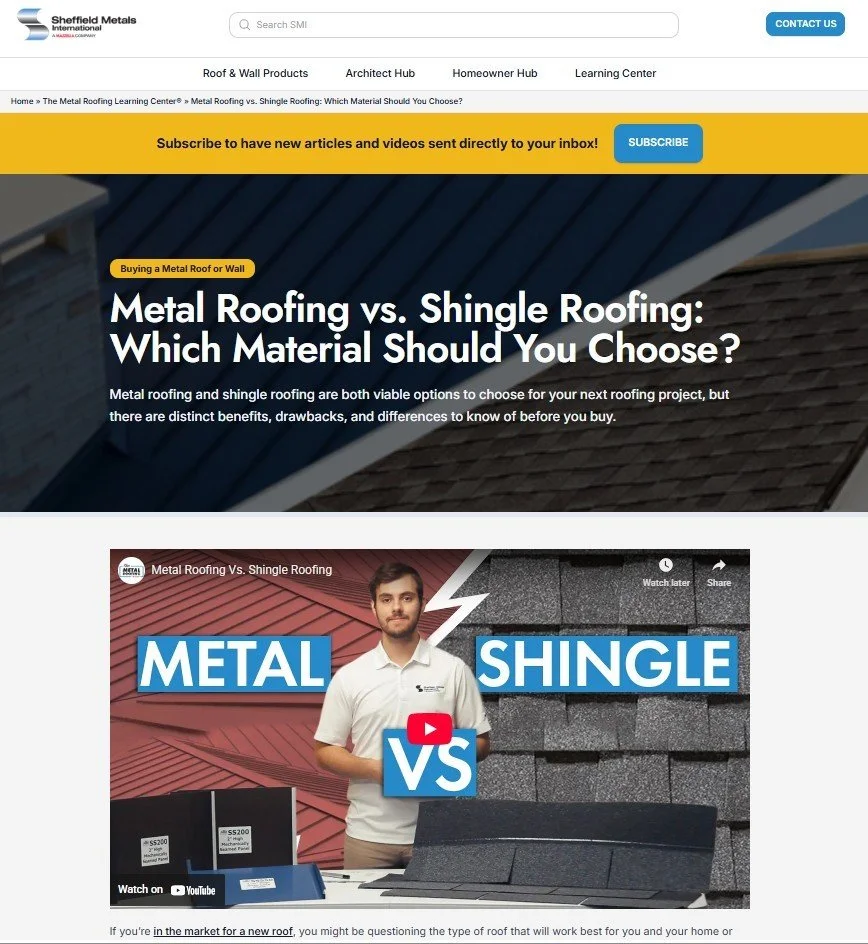
Add eBook guides, comparison charts and calculators to your website or blog. Here’s a great example: this comparison of metal roofing vs. shingle roofing on Sheffield Metals website is full of helpful charts, videos, and cost calculators. https://sheffieldmetals.com/learning-center/metal-roofing-vs-shingle-roofing/
3. “Mistakes to Avoid” Content
This format attracts pros and homeowners and it’s always one of the highest-performing categories. People trust people who warn them. It creates instant credibility.
Think:
“3 mistakes we see with vinyl window installs”
“What not to do when choosing cladding in high-wind markets”
“Why your door isn’t closing right and how to fix it”
This format positions your brand as the expert guarding their success.
Ask your installers, reps, or tech support teams: “What mistakes do you see the most?”
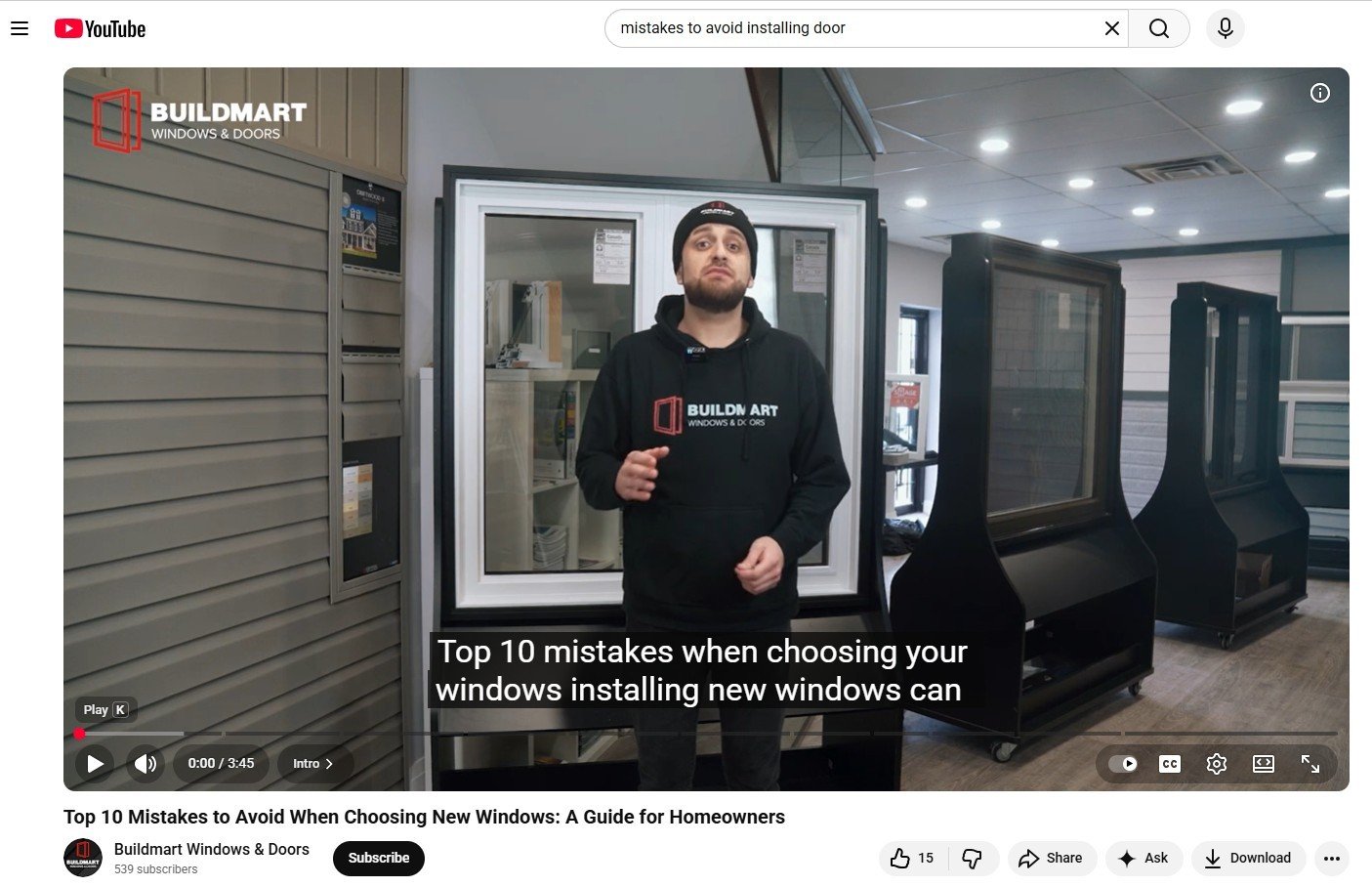
Turn each into a short video clip. https://youtu.be/hUoiC3o0Z-4?si=bvlp0iSpmkIVPOt8
4. “What I Wish I Knew Before…”
Pros are sharing real-world wisdom. This format is the user’s narrative and taps into community knowledge, not marketing copy. It feels like advice from a mentor:
“What I wish I knew before switching to a metal roof”
“What I wish I knew before installing my first pocket door system”
“What I wish I knew before choosing decking material”
The relatability makes it incredibly sticky.
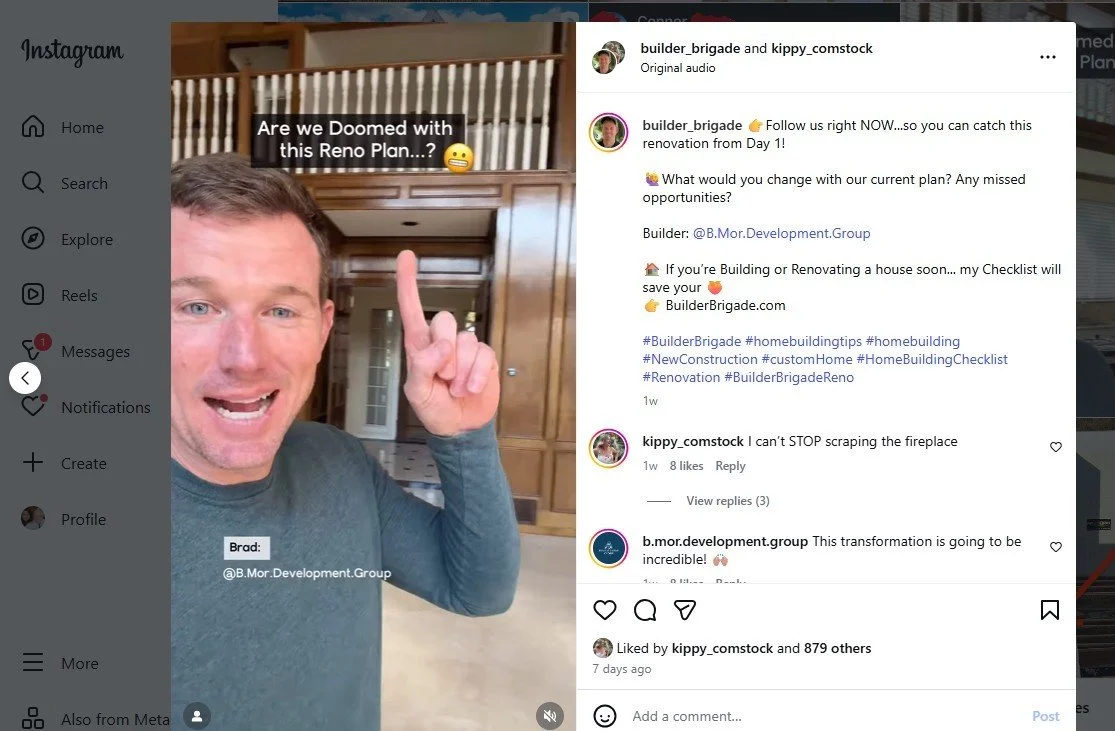
Pull quotes from installers or builders. Turn each quote into: a short video, a text post, a carousel, or a simple talking-head clip. https://www.instagram.com/p/DR5rAvGDyik/
5. Quick-Take Product Demos (10 Seconds or Less)
No music. No drone shots. Just utility. Pros want answers fast. These demos reduce time-to-trust and time-to-understand.
Show them:
how the latch works
how the panel slides
how the fastener seats
how the drainage system clears
how the system opens/locks
These “micro moments” are often the exact thing keeping a builder from making a decision.
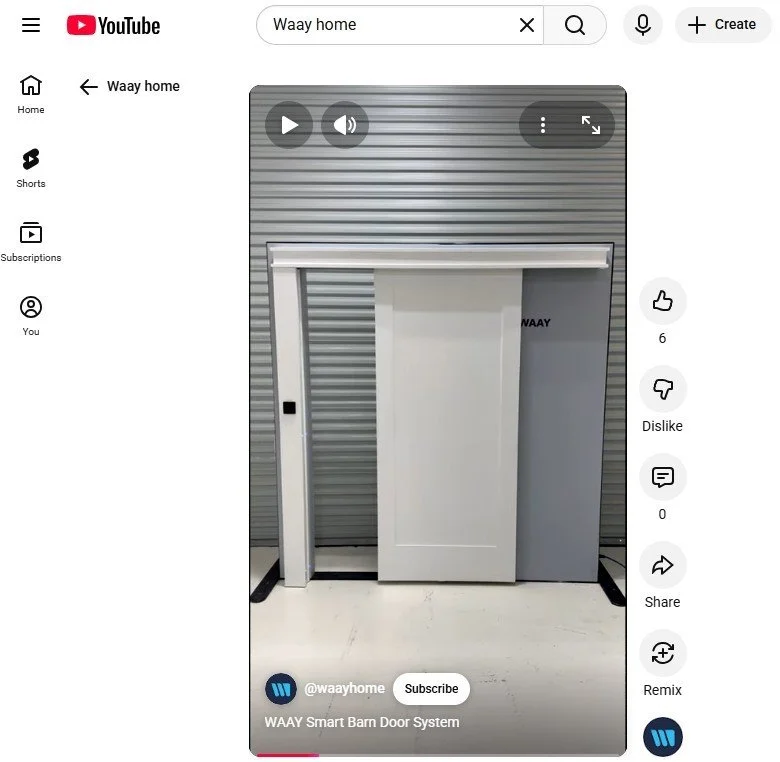
They’re simple and easy to create. Like this Waay Home automated pocket door video: https://www.youtube.com/shorts/rI9L_8gQTto
6. Real Pro Testimonials (Not Polished Case Studies)
Forget the overly produced videos with scripts and lighting. Pros trust other pros. It works because credibility comes from calloused hands, practical language, and straightforward experience.
A 12-second unscripted clip from a builder saying “This saved us three hours on install” beats a 3-minute corporate testimonial every time.
Ask installers or dealers to record voice memos or selfie clips. Publish as-is.
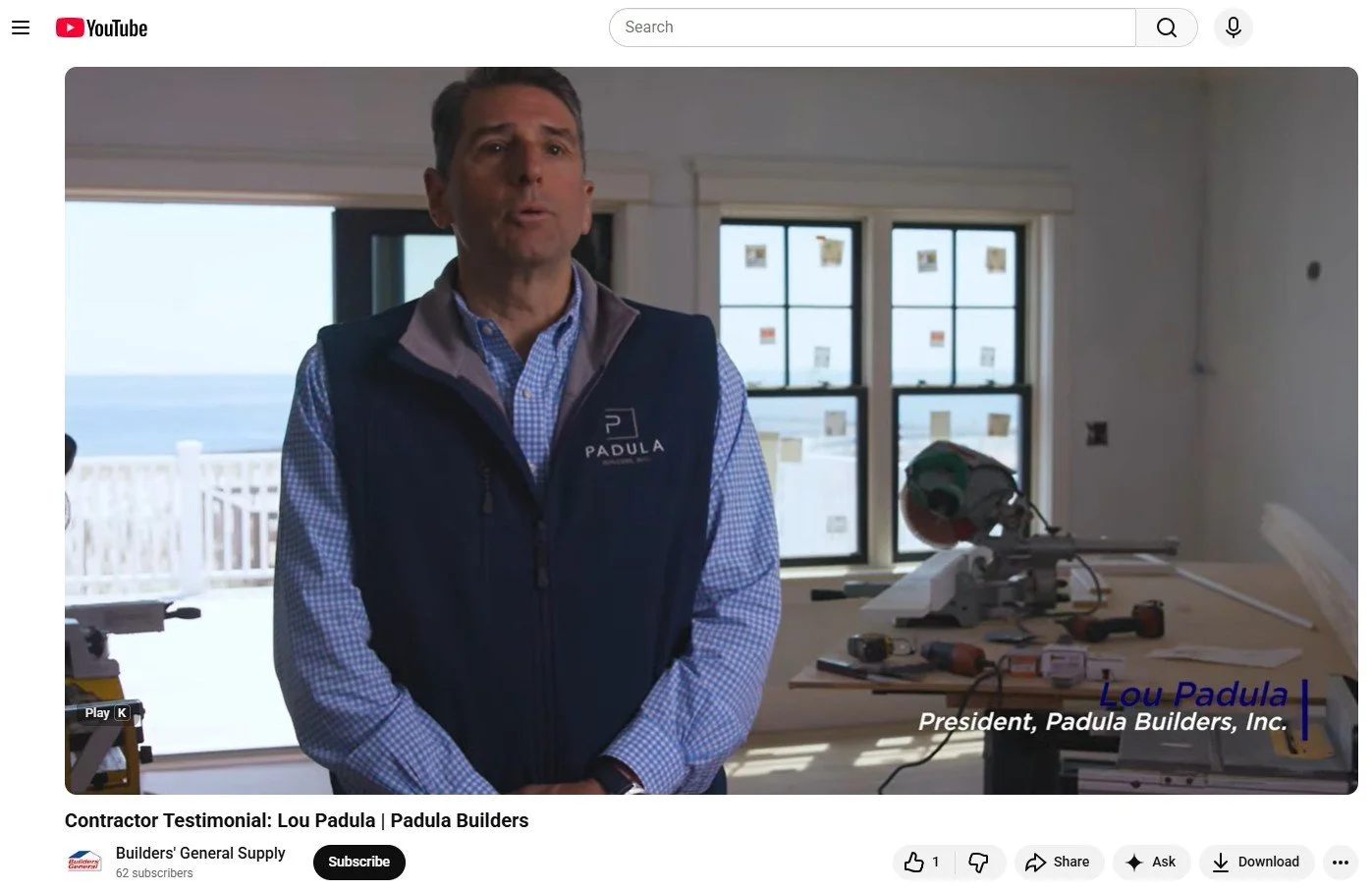
Authenticity wins. https://www.youtube.com/watch?v=j9IqXb66qmQ&list=PLOuk895V93B9EU73oKwHDUNlrTfNVQBXD&index=3
How to Start Using These Formats This Week
You don’t need a production budget. You need proximity to the jobsite and the courage to publish fast.
Start with this playbook:
Document two installs.
Film three micro demos.
Get two “mistakes to avoid.”
Capture one pro quote.
Publish one raw POV.
You’ll learn more in one week of shipping content like this than in a quarter of planning.
Pros Reward What Feels Real
Pros aren’t scrolling through perfectly lit product videos or reading long spec-heavy blogs. They’re consuming fast, helpful, real-world content from people they trust.
If you want to shape the buyer journey and not just react to it, your content must match the way pros actually make decisions today:
fast
clear
practical
honest
jobsite-first
The brands who embrace these 6 formats will win mindshare in months. The brands who don’t will be outrun by those who publish at the speed of the market.