
Creative as a Performance System: How Kohler Turned Design Into Demand
Why great storytelling, not more spend, drives measurable growth.
In building products, creative work often gets labeled “the pretty stuff.” Something to polish the brand, not to move the business.
But according to Marketing Architects’ 2024 study, “The New Rules of Great TV Creative,” creative quality alone accounts for 37% of total sales lift. That's more than budget, targeting, or media mix combined.
That means your message (how it looks, sounds, and makes people feel) is the single biggest performance lever you have. And few brands demonstrate that better than Kohler.

Kohler’s “Colors of Nature” Campaign
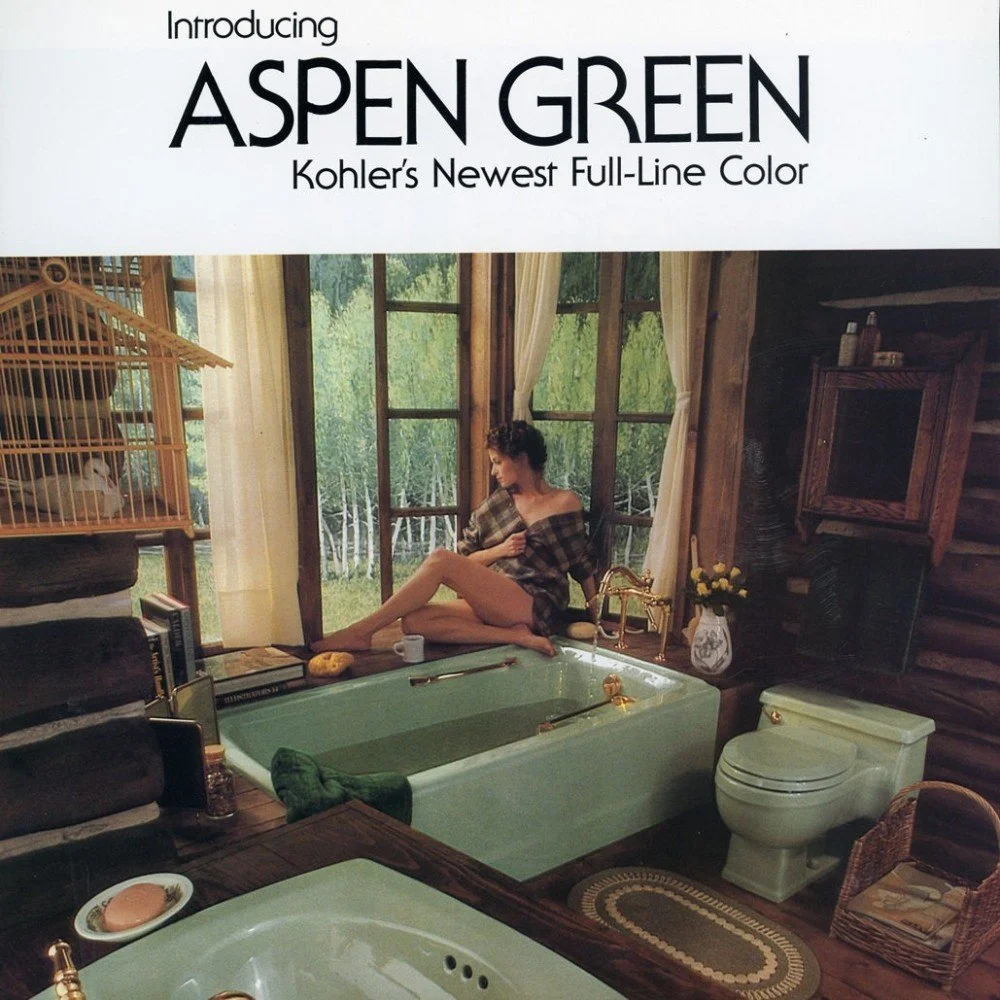
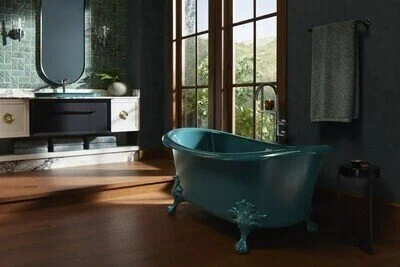
When Kohler launched Colors of Nature, the objective wasn’t to sell faucets or bathtubs. It was to reframe the bathroom as an emotional environment, a personal sanctuary that reflects mood and identity.
The campaign unfolded across linear TV, connected TV (CTV), out-of-home (OOH) advertising, digital display, social media, print and search. Every spot looked and felt like art direction for a design magazine: bold colors, fluid motion, organic textures, ambient sound. No pricing. No features. No callouts. Just emotional immersion.
The storytelling was minimal but intentional: color as energy, water as transformation, home as self-expression. Through that lens, a faucet wasn’t hardware, it was artistry. A sink wasn’t utility, it was ritual.
That emotional connection is why Kohler remains a top-ranked global design brand, even in a soft home-improvement cycle. They didn’t talk about performance specs; they performed through story.
The Role of Television: The Reach Multiplier
Kohler could’ve told this story exclusively on digital and social, but they didn’t. They anchored it in TV (both linear and connected) because they understood what TV still does best: build emotional reach at scale.
Television gave the campaign legitimacy and continuity. It reached homeowners before they were in-market, and designers before they specified. That “pre-awareness” is what full-funnel brand building looks like. The difference between getting invited to the quote and being chosen at the counter.
Just like PGT’s Rebrand and James Hardie’s “It’s Possible” campaign, Kohler used TV as the engine for mental availability:
Linear TV delivered mass reach and credibility.
Connected TV extended precision and personalization.
Together, they made emotional storytelling measurable.
That’s the 60/40 rule in motion: 60% brand (TV, design storytelling, emotional creative)40% activation (digital, dealer marketing, retail).
What Makes This Creative Work
Emotional Universality
The campaign isn’t about products, it’s about feelings. “Calm,” “vitality,” “grace.” These are universal triggers that make the message memorable across audiences.
Design as Differentiation
While competitors showcase functionality, Kohler shows human aspiration. It invites customers to imagine a lifestyle, not a renovation, elevating perception and margin.
Cinematic Quality
Production value matters. Lighting, pacing, and music elevate perceived worth, making the brand feel premium long before price is discussed. TV-quality creative creates pricing power.
Consistency Across Channels
The same visual language runs across TV, streaming, retail, and digital reinforcing familiarity at every step. This continuity turns brand recall into conversion efficiency.
A Win at the Counter
Kohler’s storytelling creates simultaneous pull with homeowners and push with designers, architects, and showroom consultants, the dual approval zone where final purchase decisions are made.
By inspiring both audiences, Kohler drives preference upstream (inspiration and spec influence) and conversion downstream (at the counter or point of sale).
The result: creative that doesn’t just look beautiful, it moves product through the entire channel ecosystem.
Where Art Meets ROI
While Kohler doesn’t disclose campaign-level ROI, the market tells the story.
#1 U.S. bath and kitchen brand by market share
$8.4B brand valuation, growing steadily despite a slowdown in the remodeling market
Lift in design fixture categories reported by key retail partners during the campaign, driven by Gen X and Millennial homeowners who over-index for streaming consumption.
That’s what happens when creative is treated as an investment, not an accessory.
It builds desirability — and desirability converts.
Creativity Is a Performance System
If 37% of sales lift comes from creative quality, then creative isn’t a cost center. It’s the infrastructure that drives performance across every channel.
Television gives that creativity the stage it deserves. TV’s combination of emotion, attention, and reach doesn’t just build awareness, it builds mental availability. It creates the shortcut that makes your brand the easy, trusted choice when the buying moment arrives.
That’s why brands like Kohler, PGT, and James Hardie treat creative as the engine of growth, not the garnish at the end of the funnel.
The line between brand and performance isn’t where you spend your money. It’s how well your story connects. And the best creative doesn’t just move hearts — it moves the numbers, too.
Read more about Marketing Architects’ 2024 study, “The New Rules of Great TV Creative,” and the 60/40 Rule: “Brand Doesn’t Compete with Performance. It Makes It Possible.”